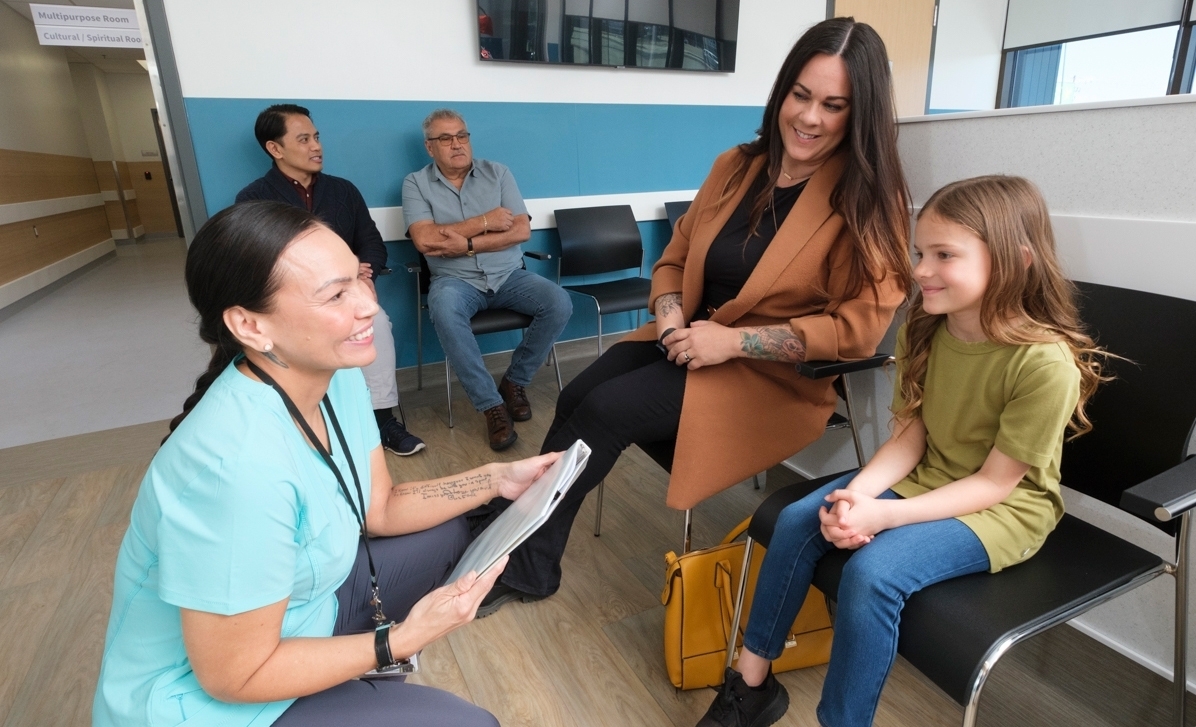
nurses working together

Improving Recruitment, Retention and Training

What We've Done

Making sure the health workforce is strong and growing

Putting patients first means ensuring the right health care professionals are there for every patient as our province continues to grow. To do this, were investing to recruit, train and retain more health care workers.

2,710

nursing graduates hired (in‑province and out‑of‑province) since April 2023.

859

students supported through the Final Clinical Placement Bursary.

Final clinical placements provide supervised, hands-on training in clinical settings and are typically unpaid. A one-time $2000 Final Clinical Bursary supports students in exchange for a one-year return-of-service in rural or northern Saskatchewan.

900+

new training seats across 33 programs supported by expanded training in the province

$170 million invested since December 2022.

Net gain of 2,846 registered nurses since 2020.

Net gain of 520 physicians since 2020, including:

  • 223 family physicians
  • 297 more licensed specialists (148 specialists added in the
    2024-25 year alone)
  • 306 out‑of‑province specialists and hard‑to‑recruit health care professionals hired, including medical technicians, sonographers, physiotherapists, respiratory therapists, perfusionists and others.

First-ever physician assistant roles created, strengthening team-based care.

Physician assistants are now practicing in family medicine, pediatric cardiology, emergency and surgery.

9 400+ health care professionals recruited from the Philippines

Paramedic workforce above national and western per‑capita averages.

194 new full-time equivalent long term care positions added since 2021-22.

827 new full‑time equivalent long-term care positions added since 2007. 

Improved seniors’ care in Regina through newly hired geriatricians

9,859 students supported through the Final Clinical Placement Bursary.

Final clinical placements provide supervised, hands-on training in clinical settings and are typically unpaid.

A one-time $2000 Final Clinical Bursary supports students in exchange for a one-year return-of-service in rural or northern Saskatchewan.

516 health care professionals hired through the Rural & Remote Recruitment Incentive.

392 new and enhanced positions created to stabilize rural and northern staffing:

  • 201 new positions filled
  • 49 enhanced positions filled
  • 65 new registered nurse roles filled across 30 communities
  • 77 new and enhanced positions added for 40 rural and northern communities, mainly in emergency rooms (69 filled to date).
  • 336 Saskatchewan International Physician Practice Assessment physicians strengthening care across Saskatchewan, with 74 per cent practicing in rural or northern communities.

Medical school seats expanded from 100 to 108 since 2022 (increased 68 seats or 80 per cent since 2007).

Medical residency seats expanded from 140-150 in 2025 (increased 90 seats or 150 per cent since 2007).

60 new training seats added for 2025–26, including medical radiation technologists, licensed practical nurses, registered nurses, and nurse practitioner programs.

Four new Saskatchewan based training programs announced in fall of 2025:

  • Physician Assistant Program
  • Occupational Therapy
  • Speech-Language Pathology
  • Respiratory Therapy

Three pilot high‑school‑to‑health‑care pathways launched in Moose Jaw/Gravelbourg, Maple Creek/Cabri and La Ronge, helping high school students interested in a health-care career by providing opportunities to work in a health care setting.

Job shadow opportunities are available for high school students (grade 12) or adults considering a career in health care, 146 job shadows, totaling 944 hrs have been completed since 2024.

25 additional Saskatchewan SIIT Mental Health & Wellness seats added to support the Saskatoon Urgent Care Centre and Indigenous communities.

New rural family medicine training sites in Yorkton, Melfort, and Nipawin - adding to the existing five training sites of Swift Current, North Battleford, Prince Albert, La Ronge, and Moose Jaw.

Expanded medical school training by establishing the University of Saskatchewan College of Medicine Regina Campus to allow those living in the south of the province access to education closer to home.

Increased post-secondary seats for primary care paramedic training from 152 to 252 since 2023.

 

Next Steps

What We're Working On

Strengthen the mandate of the Saskatchewan Healthcare Recruitment Agency (SHRA) to streamline all provincial recruitment efforts, allowing the Saskatchewan Health Authority to focus more fully on delivering patient care.

Enhance SHRA's branding and national/international profile to increase competitiveness and create a single, clear entry point and candidate resource for health-care recruitment in Saskatchewan. 

Learn more by visiting the Saskatchewan Healthcare Recruitment Agency website.

Expand the Rural Physician Incentive Program to regional centres, such as Yorkton, Moose Jaw and North Battleford.

Maintain the Rural and Remote Recruitment Incentive for high priority health care classifications.

Continue Graduate Retention Program supports and targeted physician/specialist incentives.

Add 20 more medical training seats at the College of Medicine - increasing from 108 to 128.

Add 10 more residency seats - increasing from 150 to 160

Prioritize Saskatchewan students for medical school admissions - target of 95 per cent.

Increased post-secondary seats for primary care paramedic training from 152 to 252 since 2023.
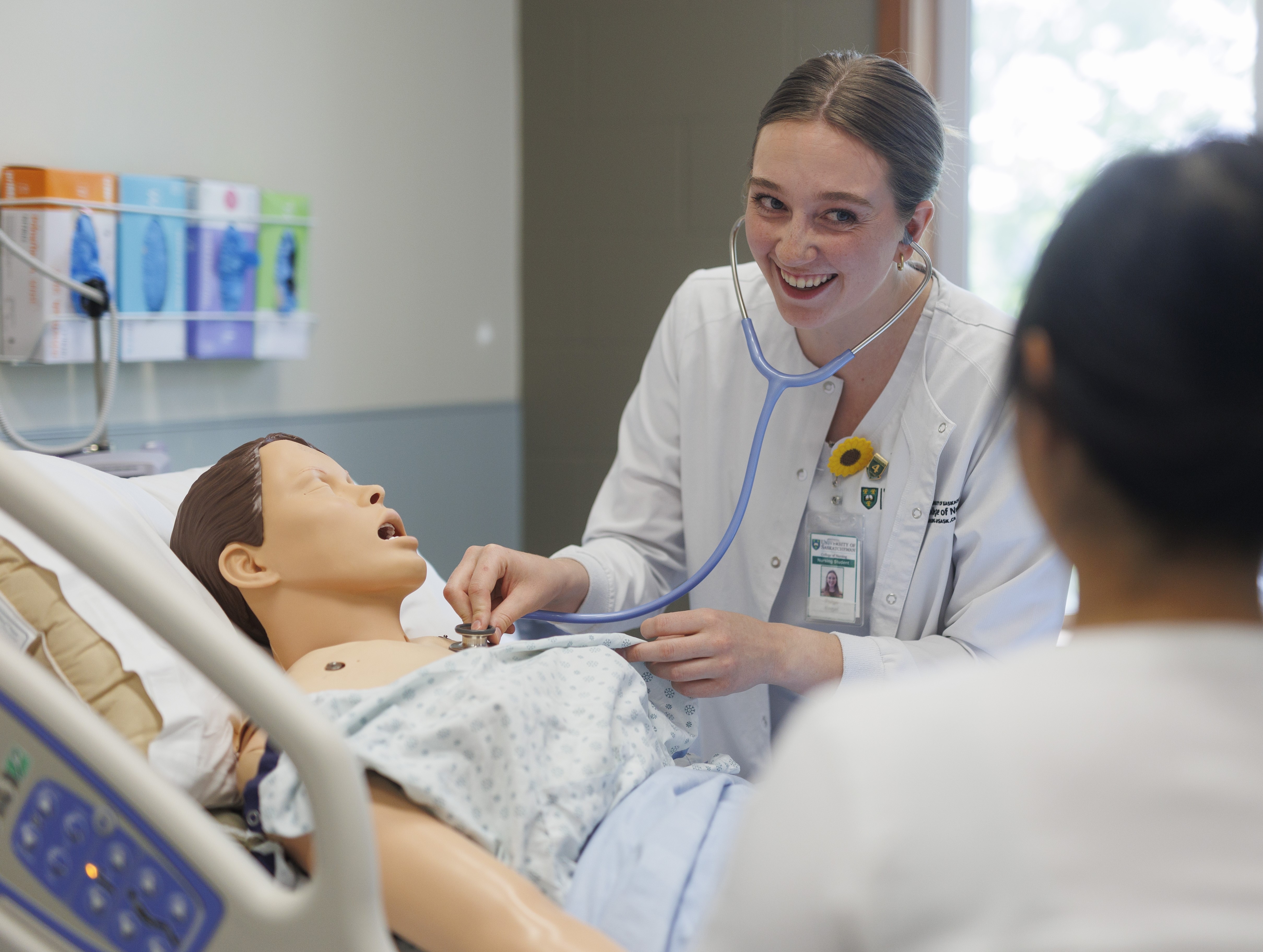
Continue adding training seats in high-demand areas.

Expand rural training opportunities to support long-term recruitment and retention.

Collaborate with the Saskatchewan Distance Learning Centre and school divisions to introduce enhanced health care training and earlier career exploration in high schools, helping students discover and prepare for careers in the sector.


Why This Matters

Improving Outcomes

A larger, stronger workforce means shorter waits for primary care, emergencies, diagnostics and specialist services.

Recruiting and retaining doctors, nurses and paramedics reduces travel and prevents disruptions.

More trained professionals lead to better coordination, improved patient flow and less strain on emergency rooms.

Training more providers at home and retaining them reduces turnover and reliance on temporary staff.

A growing and resilient workforce ensures Saskatchewan can meet the needs of an aging population and increasing demand for services.